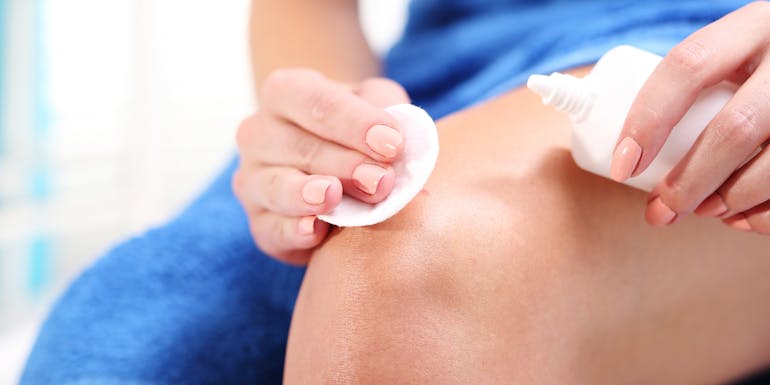
Hydrogen Peroxide for Feet & Skin: Benefits, Safe Use, and What to Know
Hydrogen peroxide has recently gained attention on social media as a simple solution for foot hygiene and skin cleansing. While it has long been used as a mild antiseptic, online trends often overstate its benefits. Used correctly, hydrogen peroxide can support foot care routines — but it is not a cure-all and should be used with care. This guide explains how it works, when it may help, and how to use it safely.
What Is Hydrogen Peroxide and How Does It Work?
Hydrogen peroxide is a mild antiseptic commonly sold in pharmacies as a 3% solution.
When applied to skin, it releases oxygen, creating a bubbling effect. This action:
- lifts dirt and dead skin from the surface
- helps cleanse minor wounds
- reduces bacteria by oxidising microbial cell walls
The bubbling does not indicate healing — it simply shows oxygen release.
Potential Benefits for Foot & Skin Care
Helps Reduce Foot Odour
Foot odour is caused by bacteria breaking down sweat.
Hydrogen peroxide may help by reducing odour-causing bacteria and creating an oxygen-rich environment that discourages anaerobic microbes.
Supports Hygiene in Athlete’s Foot
Hydrogen peroxide does not treat fungal infections, but it can support hygiene by cleansing and peeling skin and reducing surface microbes.
Antifungal treatment should still be used when a fungal infection is present.
Softens Hard Skin and Loosens Dead Skin
The oxygenating action can help soften thickened skin and loosen debris.
This makes it useful before exfoliation or moisturising treatments for:
- callused heels
- dry, thick skin
- build-up around toes
Cleans Minor Cuts, Blisters, and Cracked Heels
Hydrogen peroxide may be used occasionally to cleanse superficial skin breaks.
However, repeated use on open wounds is not recommended as it may delay healing.
Improves Surface Nail Staining
It may help lift mild staining from nails through oxidation.
It will not treat fungal nail infections.
Who Might Benefit?
Hydrogen peroxide foot soaks are often used by:
- runners and gym users
- people wearing safety boots or work footwear all day
- those prone to foot odour
- individuals managing dry, callused heels
How to Use Hydrogen Peroxide Safely
Foot Soak Method
- Mix 1 part 3% hydrogen peroxide with 3–4 parts warm water.
- Soak feet for 10–15 minutes.
- Rinse thoroughly and dry well, especially between toes.
- Apply moisturiser afterwards.
Use 1–2 times weekly if needed.
For Skin Cleansing
- Use sparingly on intact skin.
- Do not use daily.
- Avoid prolonged contact.
Important Safety Considerations
Hydrogen peroxide is safe when used appropriately, but misuse can cause problems.
Possible Side Effects
- skin dryness or irritation
- temporary whitening of skin
- disruption of the skin barrier
Avoid Undiluted Use
Using a full-strength solution directly on the skin may cause irritation or chemical burns.
Do Not Use On:
- deep wounds
- serious infections
- burns
- sensitive or inflamed skin
Seek Medical Advice If:
- redness spreads
- swelling increases
- pain worsens
- signs of infection develop
Extra Caution Required If You Have:
- diabetes with foot complications
- poor circulation
- nerve damage (neuropathy)
- chronic skin conditions such as eczema
Common Myths on Social Media
Myth: Hydrogen peroxide cures fungal infections
It does not replace antifungal treatments.
Myth: Bubbling means it is healing the skin
The bubbling simply shows oxygen release.
Myth: Daily use improves skin health
Frequent use may damage the skin barrier and cause dryness.
Making It Part of a Foot Care Routine
Hydrogen peroxide works best as a hygiene step within a broader routine:
- cleanse and soak feet
- gently exfoliate hard skin
- apply a urea-based heel balm or moisturiser
- use antifungal treatments when needed
- wear moisture-wicking socks and breathable footwear
The Bottom Line
Hydrogen peroxide can support foot hygiene and skin cleansing when diluted and used occasionally. It may help reduce odour, soften hard skin, and cleanse minor skin breaks. However, overuse or improper use can irritate skin and delay healing.
Used responsibly, it can be a simple addition to a healthy foot care routine.
