
Vitamin B9 Folate and Folic Acid
When browsing the vitamin aisle or reading advice about pregnancy, one nutrient appears again and again: vitamin B9. Sometimes labelled as folate and other times as folic acid, this essential vitamin plays a central role in keeping the body healthy, particularly during pregnancy and periods of rapid growth. For many UK pharmacy customers, questions about vitamin B9 often arise when planning a family, investigating persistent tiredness, or reviewing routine blood test results.
Vitamin B9 is not stored in large amounts by the body and cannot be produced internally, meaning a regular supply from food or supplements is essential. While most people obtain enough through a balanced diet, certain life stages and health conditions significantly increase requirements. Understanding what vitamin B9 does, the difference between folate and folic acid, and when supplementation is genuinely needed can help customers make informed and confident decisions about their health.
What Is Vitamin B9? Folate vs Folic Acid Explained Simply
Vitamin B9 exists in two main forms, which often causes confusion.
Folate is the naturally occurring form found in foods such as leafy green vegetables, pulses, citrus fruits, and wholegrains. The name comes from the Latin folium, meaning leaf, reflecting its abundance in green vegetables.
Folic acid is the synthetic form used in supplements and added to fortified foods. Both forms are types of vitamin B9 and ultimately serve the same purpose in the body once absorbed and processed.
The reason supplements contain folic acid rather than natural folate is practical. Folic acid is more stable, survives food processing and storage better, and is absorbed more efficiently by the body. Studies show that folic acid from supplements is absorbed almost completely, whereas natural folate from food is absorbed less efficiently, particularly when consumed as part of a mixed meal. This higher and more reliable absorption is why UK health authorities specifically recommend folic acid supplements during pregnancy.
Once inside the body, both folate and folic acid are converted into active forms that the body uses for essential biological processes.
What Does Vitamin B9 Do in the Body?
Vitamin B9 supports several vital functions that affect nearly every system in the body.
One of its most important roles is in the production of healthy red blood cells. Folate is required for normal cell maturation in the bone marrow. When folate levels are too low, the body produces large, immature red blood cells that do not function properly, leading to megaloblastic anaemia. This can cause symptoms such as fatigue, weakness, shortness of breath, and paleness.
Folate is also essential for DNA synthesis and cell division. Every time a cell divides, it must copy its genetic material, a process that depends on adequate folate availability. This explains why folate requirements increase during pregnancy, childhood, and periods of tissue repair.
Vitamin B9 works closely with vitamin B12 to regulate levels of homocysteine, an amino acid in the blood. When folate and B12 levels are adequate, homocysteine is efficiently converted into other useful substances. Raised homocysteine levels have been associated with cardiovascular risk, although this relationship is complex and still being studied.
The most critical role of folate, however, occurs in very early pregnancy. During the first few weeks after conception, folate is essential for the proper formation and closure of the neural tube, which later develops into the baby’s brain and spinal cord. Adequate folate intake during this short window dramatically reduces the risk of serious birth defects affecting the brain and spine.
Who Is Most Likely to Need Extra Folate?
Most people obtain enough folate through a balanced diet, but certain groups have higher needs or are at greater risk of deficiency.
Women planning pregnancy or who are pregnant
UK guidance recommends that all women who could become pregnant take a daily 400 microgram folic acid supplement, ideally starting before conception and continuing until the end of the first 12 weeks of pregnancy. This advice applies even to women who are not actively trying to conceive, as many pregnancies are unplanned and the neural tube closes very early-often before pregnancy is confirmed.
High-risk pregnancies
Some women require a much higher dose of 5 milligrams daily, which is only available on prescription. This includes women who:
- Have previously had a pregnancy affected by a neural tube defect
- Have diabetes
- Have a body mass index over 30
- Take certain anti-epileptic medicines
- Have coeliac disease, sickle cell disease, or thalassaemia
These women should speak to their GP or midwife before trying to conceive, as standard pharmacy supplements do not provide sufficient protection.
Other groups at risk
Folate deficiency can also occur in people with poor dietary intake, older adults, those with conditions affecting nutrient absorption (such as coeliac disease or inflammatory bowel disease), and people who drink alcohol heavily. Certain medications, including methotrexate and some anti-epileptic drugs, can interfere with folate metabolism and increase requirements.
Folate and Pregnancy: Why Timing Matters
The link between folic acid and healthy pregnancy outcomes is one of the strongest examples of preventive nutrition in modern medicine. Large clinical trials have shown that taking folic acid before conception and during early pregnancy can reduce the risk of neural tube defects by more than 70%.
The neural tube forms and closes between 21 and 28 days after conception-often before a woman knows she is pregnant. If folate levels are insufficient during this narrow window, the neural tube may fail to close properly, leading to conditions such as spina bifida or anencephaly. These conditions can result in lifelong disability or, in some cases, be incompatible with life.
Because the critical period occurs so early, starting folic acid after a positive pregnancy test may be too late to provide full protection. This is why UK advice targets all women who could become pregnant, not just those actively planning a pregnancy.
In the UK, only a minority of women take folic acid before pregnancy, which is why public health bodies have introduced mandatory fortification of non-wholemeal wheat flour from December 2026. This measure aims to improve population folate status and reduce preventable birth defects.
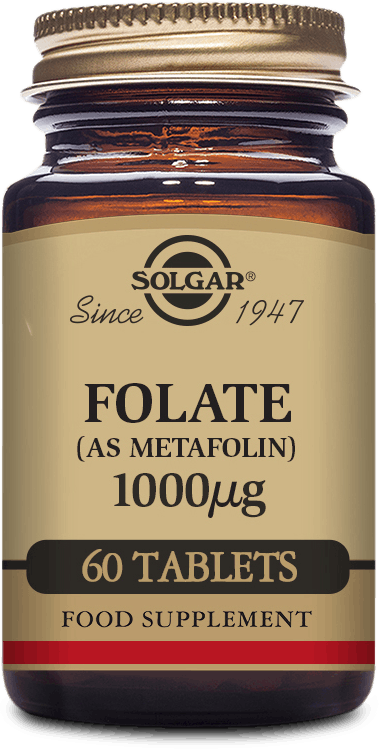


Food Sources of Folate
Dietary folate remains important for everyone, including those taking supplements. UK adults are advised to obtain around 200 micrograms daily from food.
Key food sources include:
- Leafy green vegetables such as spinach, kale, cabbage, and broccoli
- Pulses including lentils, chickpeas, and beans
- Citrus fruits, particularly oranges
- Fortified breakfast cereals
- Eggs
Folate is water-soluble and sensitive to heat, so cooking methods matter. Steaming or lightly stir-frying vegetables preserves more folate than boiling them in large volumes of water.
Folic Acid Supplements: When Are They Useful?
Folic acid supplements have clear, evidence-based uses.
- Pregnancy prevention: 400 micrograms daily for women who could become pregnant
- High-risk pregnancies: 5 milligrams daily on prescription
- Folate deficiency anaemia: therapeutic doses prescribed by a doctor
- Certain medications: folic acid is often prescribed alongside methotrexate to reduce side effects
For most people eating a varied diet, routine supplementation is unnecessary. With upcoming flour fortification, population folate intake is expected to improve further.
Can You Take Too Much Folic Acid?
Folate from food is safe even in large amounts. However, high intakes of folic acid from supplements can cause problems.
The UK upper safe limit for adults is 1,000 micrograms (1 milligram) per day from supplements and fortified foods. This limit exists because high doses of folic acid can mask vitamin B12 deficiency, allowing neurological damage to progress unnoticed.
For this reason, over-the-counter supplements typically contain 400 micrograms or less. Higher doses should only be taken under medical supervision.
Recognising Folate Deficiency
Folate deficiency develops gradually. The most common symptom is persistent tiredness caused by anaemia. Other symptoms may include:
- Shortness of breath or palpitations
- Pale skin
- Mouth ulcers or a sore tongue
- Low mood or cognitive changes
Anyone experiencing ongoing symptoms should speak to their GP. Diagnosis is straightforward with a blood test, which usually checks folate and vitamin B12 levels together.
Pharmacist comment - Alessandro Grenci, Superintendent Pharmacist
"Folic acid is one of the few supplements where the evidence is exceptionally strong, particularly for pregnancy. For most people, a balanced diet provides enough folate, but women who could become pregnant should take folic acid before conception to protect their baby’s development. If there’s any uncertainty-especially with existing medical conditions or medications-speaking to a pharmacist or GP can help ensure the right dose is used safely."
Final Thoughts for Pharmacy Customers
Vitamin B9 supports essential processes including red blood cell formation, DNA synthesis, and early fetal development. For most people, a balanced diet rich in vegetables, pulses, and fortified foods provides sufficient folate. From December 2026, flour fortification will further strengthen population intake across the UK.
Certain situations, however, make supplementation essential. Women who could become pregnant should take a daily 400 microgram folic acid supplement, while those at higher risk require prescription-strength doses. People diagnosed with deficiency or taking specific medications may also need supplements under medical guidance.
Choosing the right supplement, understanding appropriate doses, and knowing when to seek advice ensures folic acid is used safely and effectively. When in doubt, a conversation with a pharmacist or GP can provide reassurance and personalised guidance.